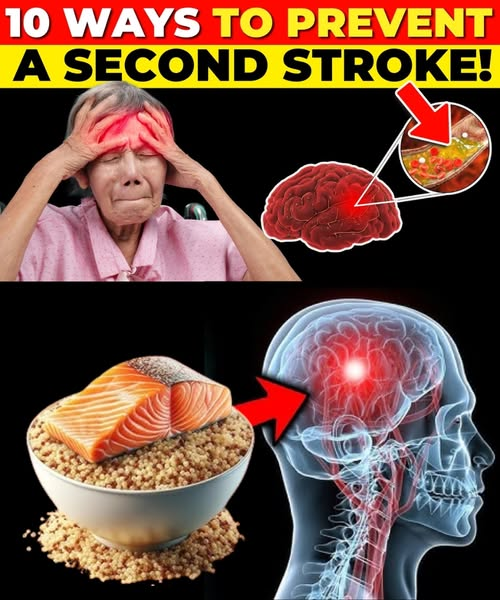
Surviving a stroke is a major milestone — but staying healthy afterward is just as important. Did you know that 1 in 4 stroke survivors are at risk of having another stroke?
The good news is that many second strokes can be prevented with small, consistent lifestyle changes. Whether you’re a survivor yourself or supporting a loved one, these gentle yet powerful tips can help lower the risk and support long-term recovery.

🌿 1. Take Your Medications as Prescribed
This is one of the most important steps. Medications like blood thinners, blood pressure pills, or statins help manage risk factors like clotting and cholesterol.
✅ Never skip doses.
✅ Don’t stop medications without speaking to your doctor.
💓 2. Keep Blood Pressure Under Control
High blood pressure is the leading cause of stroke.
Aim for numbers below 120/80 mmHg. To help manage it:
- Reduce sodium (especially from packaged foods)
- Check your blood pressure at home regularly
- Follow your doctor’s recommendations closely
🩸 3. Manage Blood Sugar if You Have Diabetes
Uncontrolled diabetes can damage blood vessels and raise stroke risk. Stay on top of your:
- Medication or insulin routine
- HbA1c levels (aim to stay in range)
- Balanced, low-glycemic diet
🚭 4. Quit Smoking — It’s Never Too Late
Smoking harms your heart and makes blood clots more likely. But there’s hope: quitting now can cut your stroke risk in half.
Talk to your healthcare provider about tools or programs that can help you quit for good.
🥗 5. Choose a Heart-Healthy Diet
Eating well doesn’t have to be complicated. Try following a Mediterranean-style diet with:
- Fresh vegetables and fruits
- Whole grains and legumes
- Healthy fats (like olive oil and nuts)
- Lean proteins (like fish or tofu)
These foods support brain health and reduce inflammation.
🚶♂️ 6. Move Your Body Regularly
You don’t need intense workouts. Just 30 minutes of walking, biking, or stretching most days of the week can:
- Boost circulation
- Improve mood
- Support weight and blood pressure goals
Start slow and listen to your body.
🍷 7. Watch Your Alcohol Intake
Too much alcohol can raise your blood pressure and strain your heart. Stick to:
- 1 drink per day (max) for women
- 2 drinks per day (max) for men
- Or avoid alcohol altogether if advised
😴 8. Check for Sleep Apnea
Loud snoring and constant fatigue might be signs of sleep apnea, a hidden cause of high blood pressure and stroke.
Talk to your doctor about a sleep study if you suspect symptoms.
⚖️ 9. Maintain a Healthy Weight
Extra weight puts stress on your heart, arteries, and blood sugar levels. Aim for a BMI under 25, and consider working with a nutritionist or coach if you need support.
Small, steady changes in diet and activity can lead to lasting results.
🩺 10. Don’t Skip Your Follow-Up Appointments
Your doctor is your ally. Regular check-ups:
- Help track your recovery
- Adjust medications if needed
- Spot potential issues early
Even if you’re feeling better, continue attending every appointment.
💛 Final Thoughts
A second stroke doesn’t have to be part of your story. These 10 simple habits — from taking medication to improving sleep and diet — can empower you to take control of your recovery.
Stroke recovery is a journey, and every step you take matters. With the right tools and support, you can protect your brain and enjoy life more fully — one day at a time.
You’ve come this far. Keep going — your health is worth it. 💪🧠🌿