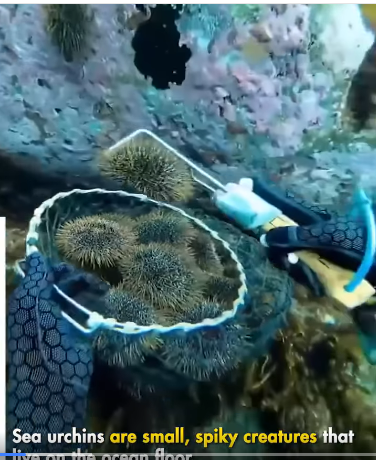
Respecting the Sea Through Thoughtful Catching
The sea has long been a source of sustenance, livelihood, and inspiration for people around the world. From ancient coastal communities to modern-day fishermen, the ocean’s bounty has been central to human survival and culture. However, as we continue to harvest from this vast and mysterious ecosystem, it is crucial to approach the sea with respect and mindfulness. This principle, often referred to as “thoughtful catching,” emphasizes sustainability, ethical practices, and a deep understanding of the marine environment.
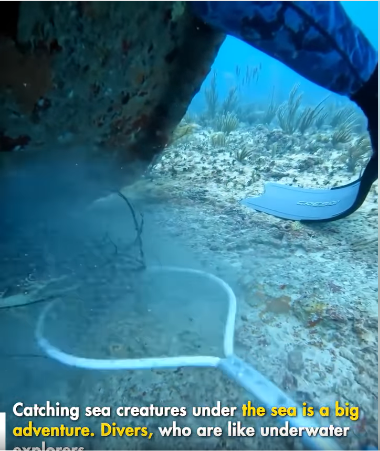
The Principle of Thoughtful Catching
At the heart of thoughtful catching is the idea that fishing should not be seen merely as an act of extraction but as an ongoing relationship between humans and the sea. Traditional fishing communities have long understood that the health of the ocean is intimately connected to their own well-being. In these communities, there is a deep respect for the rhythms of nature—recognizing the seasons of migration, breeding, and the delicate balance of marine ecosystems. Thoughtful catching means fishing with an awareness of the environment, ensuring that the methods and tools used have minimal impact on the marine world.
Sustainable practices, such as catch limits, seasonal fishing, and responsible gear choices, all fall under this ethos. These practices are grounded in the belief that the ocean is a resource that must be carefully managed, not only for present generations but for future ones as well.
The Impact of Overfishing and the Need for Change
One of the greatest threats to marine biodiversity is overfishing. As human populations grow and demand for seafood increases, many fish populations have been pushed to the brink of collapse. Overfishing disrupts ecosystems, harms marine species, and undermines the very resources upon which communities depend. Without thoughtful practices, many species could be lost forever, resulting in irreparable harm to the ocean’s health and the livelihoods of those who rely on it.
The concept of thoughtful catching advocates for fishing that is done in harmony with nature’s limits. It calls for regulations that not only prevent overfishing but also protect vulnerable species, such as those on the verge of extinction or those that are essential to maintaining the overall balance of marine ecosystems.
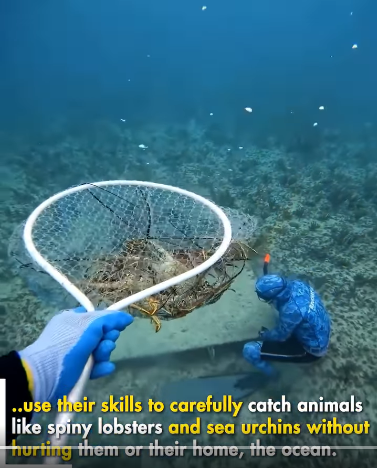
Innovative Solutions for Thoughtful Catching
In recent years, technology and innovative practices have made it easier for fishers to catch responsibly. One such solution is the use of sustainable fishing gear, like circle hooks and bycatch reduction devices, which reduce the number of non-target species accidentally captured. These innovations help fishers limit their environmental impact while maintaining a healthy catch.
Additionally, many communities and organizations are adopting “no-take” zones or marine protected areas (MPAs) where fishing is prohibited. These areas serve as refuges for marine life, allowing fish populations to recover and ecosystems to regenerate. MPAs are particularly crucial in safeguarding species that are most vulnerable to human exploitation, such as coral reefs and deep-sea habitats.
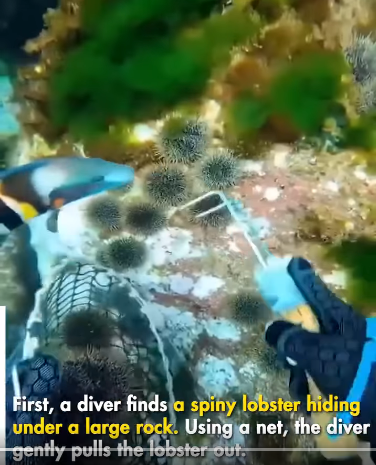
The Role of Education and Advocacy
A key component of promoting thoughtful catching is education. Fishermen, seafood consumers, and coastal communities need access to information about the importance of sustainable fishing practices. Advocacy campaigns and certification programs like the Marine Stewardship Council (MSC) help raise awareness about responsible fishing and empower consumers to make informed choices.
The ocean is not a limitless resource; it is a fragile system that requires careful stewardship. By adopting the principles of thoughtful catching—respecting the sea, practicing sustainability, and employing responsible fishing techniques—we can ensure that future generations will also be able to enjoy its bounty. Thoughtful catching is not just a practice; it is a philosophy that seeks to nurture the ocean and all the life it sustains. Through this approach, we not only protect the sea but also safeguard our own future.