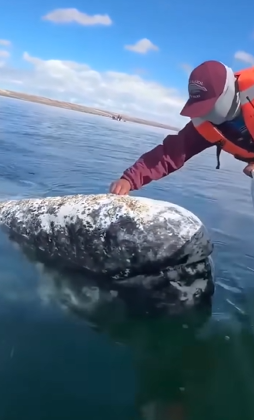
In the vast ocean world, every creature has its own role and place in the food chain and ecosystem. One of the most fascinating phenomena is the symbiotic relationship between whales and barnacles. This relationship not only reflects the diversity of life underwater but also offers insights into how different species interact with each other.
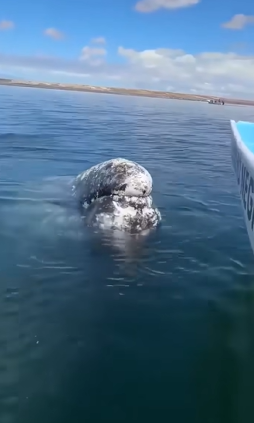
The Connection Between Whales and Barnacles
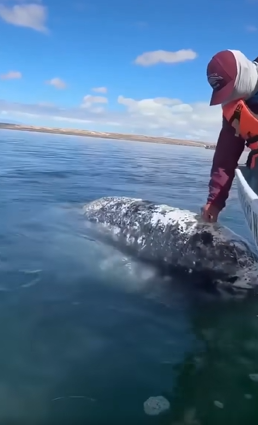
Whales, the gigantic beings of the ocean, often become “homes” for various types of barnacles. These barnacles attach themselves to the whale’s body, seeking shelter while taking advantage of the water flow to move and find food. For whales, the presence of barnacles can provide certain benefits, such as reducing the number of parasites and some other threats.
Impact on Whale Health
While this relationship can be mutually beneficial, barnacles attaching to whales can also have negative effects. If the barnacle population becomes too dense, they can harm the whale’s sensitive skin, leading to health issues. Some studies suggest that whales infested with barnacles may experience stress, affecting their ability to swim and find food.
Ecological Characteristics