Elon Musk’s companies—Tesla, SpaceX, xAI (Grok), and government ventures like DOGE—are often celebrated for their technological innovation. But inside those high-profile workplaces lies a world of extraordinary ambition… and intense sacrifice. Drawing on recent reporting, employee testimonials, and public lawsuits, this investigative article explores the reality of working under Elon Musk.

A Culture Built on Ambition and Efficiency
Musk’s companies are laser-focused on bold missions: saving sustainable energy, colonizing Mars, building humanoid robots, and rewriting government bureaucracy. Former employees describe those environments as “ruthlessly efficient” and designed for high performers capable of navigating ambiguity and extreme demand.

At SpaceX, veteran Vincent Peters recalled a workplace without structure—but one where results mattered above all. Employees were expected to ask themselves: “How do we fix this? How do we deliver?”—with nobody handing down tasks. The environment permits autonomy but absolutely no excuses.
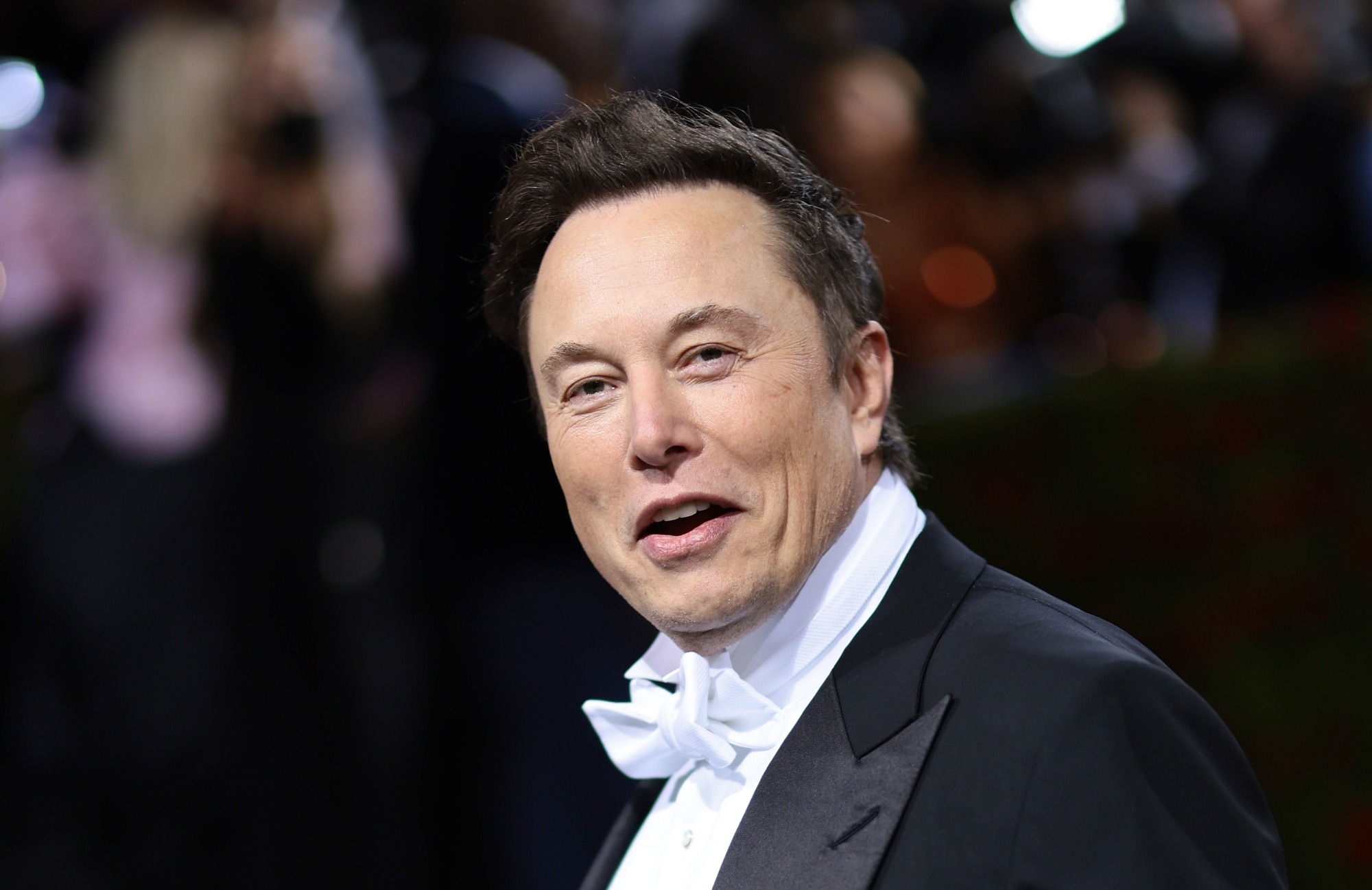
Similarly, interviews with ex-Tesla staff highlight Musk’s unwillingness to accept mediocrity—expecting teams to solve complex engineering issues overnight, often scrapping weeks of work if Musk spotted flaws at the last minute
:max_bytes(150000):strip_icc()/InvestopediaStructuredContent-ElonMusk-final-266adfdf942a462fa4c7ff09ac633ad3.png)
Long Hours, Burnout, and Work‑Life Imbalance
A defining theme across all reports is the radical strained boundary between work and life. At SpaceX’s Starbase in South Texas, OSHA recently flagged injury rates nearly six times the industry average—highlighting how pace and scale can compromise safety
On Reddit and forums, employees share stories of 60‑hour workweeks turning into 80 or even 90 hours under crunch conditions. One user recounted working from 6 a.m. to 10 p.m., routinely, six days a week—and being on call whenever away . Musk himself re‑affirmed the norm, posting that he’s willing to return to sleeping on the factory floor and working 120-hour weeks — a routine he previously endured—with the condition his kids are away

These patterns appear mirrored in Musk’s DOGE team, where junior engineers reportedly work 120-hour shifts, survive on delivery pizza and Red Bull, and sleep in AI-equipped pods — shaving savings by the billions while raising concerns of human tollThe Motivators: Mission, Learning, Perks
Why do people stay despite the grind?
Many cite a deeply felt purpose—being part of SpaceX’s Mars ambition, Tesla’s sustainable revolution, or xAI’s budding AI frontier. Interns across these companies describe responsibility rarely seen at their level, and rapid learning via exposure to high-stakes projects
Perks play a role too: free dinners, frozen yogurt, massages, open office layouts, and celebrity visits (e.g., Jennifer Aniston, Morgan Freeman) are regular perks at SpaceX .
Many employees say the daily mission creates energy and camaraderie: “You’ll learn more in a year than most do in five,” said a Reddit user recalling SpaceX’s creative, high-pressure environment
Autocracy, Fear, and Toxicity
But intense environments also foster tension.
Musk’s leadership style is curiously hands-on and autocratic. Reconciling speed with respect seems secondary to him. CEOs and VP-level staff have recounted being wary of contradicting Musk, even on basic points—fear of repercussions is widespread
Multiple allegations of sexual harassment and discrimination have shadowed the empire. Eight former SpaceX engineers sued, claiming they were fired for raising concerns about Musk’s behavior, and that HR ignored complaints. The company is now under federal investigation for wrongful terminations and hostile work environments tactics, and inconsistent enforcement of “no-tolerance” policies