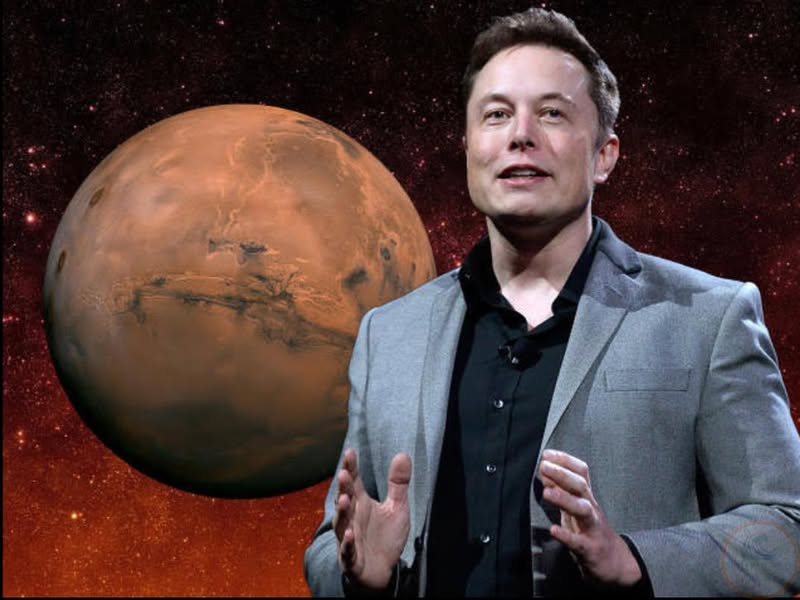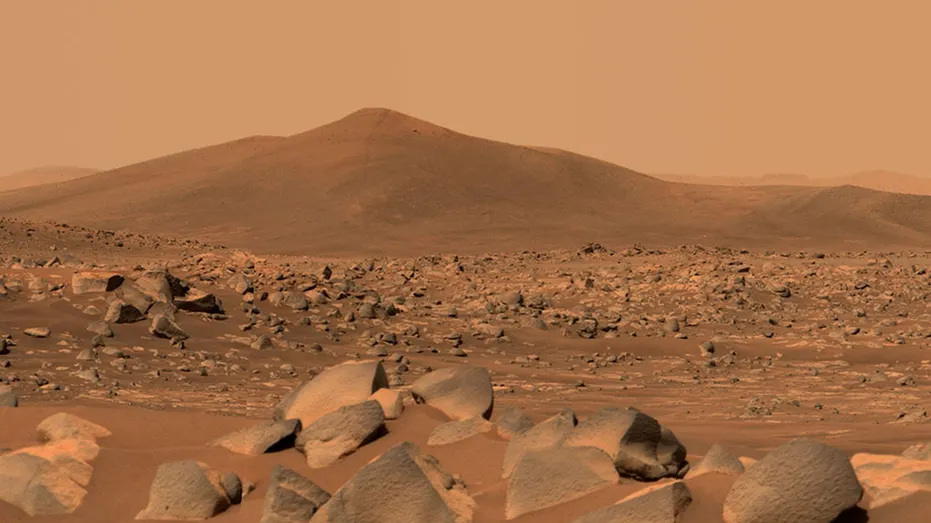
In a bold and ambitious announcement, tech mogul Elon Musk has confirmed that SpaceX’s Starship will travel to Mars by the end of 2026, carrying Tesla’s humanoid robot, Optimus, with it. This groundbreaking mission represents a significant leap forward in the realm of space exploration and robotics, as well as a major step towards Musk’s ultimate goal of colonizing Mars. The Starship, SpaceX’s next-generation spacecraft, is designed to be fully reusable and capable of carrying both crew and cargo to destinations beyond Earth. With its massive size and capacity, the Starship is ideally suited for long-duration missions to Mars, where it will play a crucial role in establishing a sustainable human presence on the Red Planet.
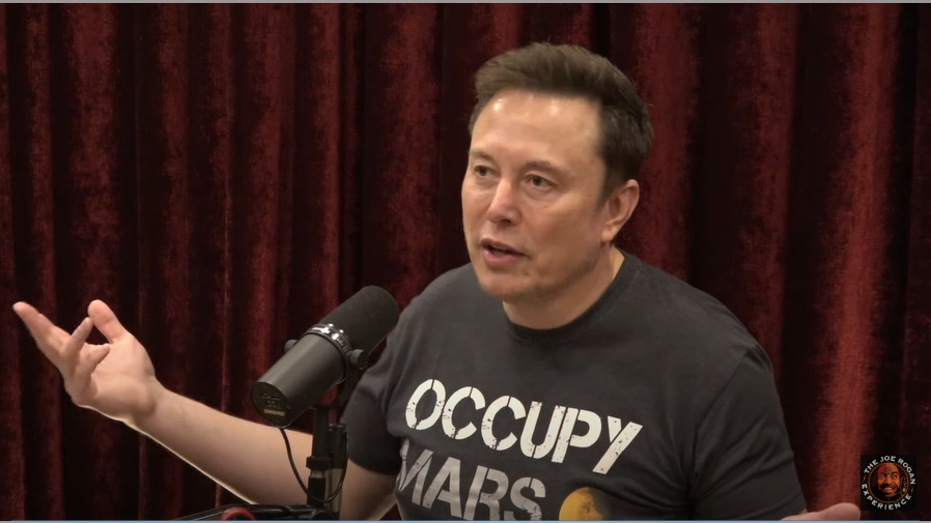
Accompanying the Starship on its journey to Mars will be Tesla’s humanoid robot, Optimus. Designed to assist with tasks and operations on the Martian surface, Optimus represents the cutting edge of robotics technology. Equipped with advanced AI capabilities and a humanoid form factor, Optimus will be able to perform a wide range of tasks autonomously, helping to support and enhance the efforts of human colonists on Mars. Elon Musk, known for his ambitious vision and disruptive innovation, has long been a proponent of human space exploration and the colonization of Mars. With the Starship mission to Mars, Musk aims to demonstrate the feasibility and viability of establishing a self-sustaining human settlement on the Red Planet. By bringing together cutting-edge space technology and advanced robotics, Musk hopes to pave the way for a future where humanity can thrive beyond the confines of Earth.
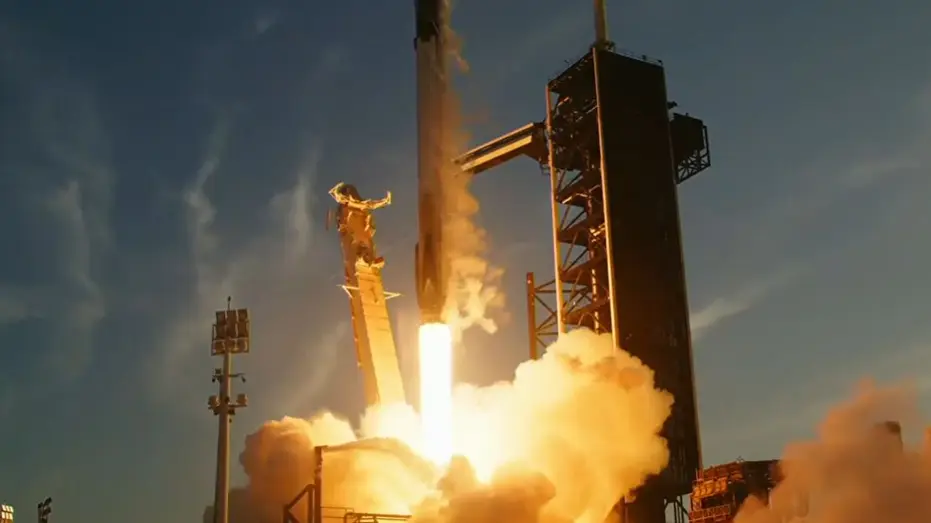
If all goes well, Musk says, the Starship mission to Mars will mark a pivotal moment in human history, opening up new possibilities for exploration, discovery, and innovation. By leveraging the unique capabilities of the Starship and Optimus, SpaceX and Tesla are poised to revolutionize our understanding of space and robotics, pushing the boundaries of what is possible in the pursuit of interplanetary colonization. As excitement builds around this monumental mission, questions and challenges remain. The journey to Mars is fraught with technical, logistical, and operational hurdles, and the success of the Starship mission will depend on the careful planning and execution of every aspect of the mission. From launch to landing, from deployment to operation, the Starship and Optimus team will need to work together seamlessly to overcome obstacles and achieve their ambitious goals. In the coming years, all eyes will be on Elon Musk, SpaceX, and Tesla as they push the boundaries of space exploration and robotics to new heights. The Starship mission to Mars represents a bold and audacious vision for the future of humanity, one that promises to inspire, captivate, and challenge us in ways we have never imagined. As we look towards the stars and beyond, the journey to Mars with the Starship and Optimus offers a glimpse of what is possible when we dare to dream big and reach for the unknown.